







Search Results for: Spicy Iced Coffee

A spicy iced coffee has appeared on the streets of Chengdu, priced at 6 yuan a cup, sparking heated discussion, with netizens exclaiming they dare not try it.
Chengdu, a city famous for its spicy hotpot and skewered snacks, recently made trending news again thanks to a "spicy iced coffee." A blogger spent 6 yuan on a cup of specially made coffee on the street, only to find it contained sago, liangxia (a chilled rice-flour shrimp treat), pickled mustard tuber, monosodium glutamate, scallions, Sichuan peppercorn powder, and chili oil — an ingredient list that rivals hotpot base. The owner insisted this is a "Chengdu snack" and that adding two ladles of chili oil is the rule. The video sparked heated discussion online, with Chengdu locals saying they had never seen it and wouldn't dare drink it, while others were curious enough to try. Is this coffee creative or just absurd? Let's take a look. [more…]

Luckin launches new Marble Iced Americano, real-life appearance mocked as looking like tofu pudding and spicy soup
In Starbucks' secret menu, the iced Americano with heavy cream, where the cream sinks to form white streaks, is called a Marble Americano. This way of drinking it originates from Con Panna and Viennese coffee. Luckin recently quietly launched three new drinks, one of which is precisely the Marble Americano, with promotional images that look quite appealing, attracting many consumers to try it early in the morning. However, the actual product differs noticeably from the promotion, with the cream in the coffee taking on forms like egg drop soup, tofu pudding, or spicy soup, and netizens jokingly calling it a bait-and-switch. This article sorts out the recipe differences, actual appearance, and taste feedback of this new product, and includes related recommendations from Front Street Coffee. [more…]

Starbucks Summer Spicy Refreshers Series Revealed: Chili Powder in the Drink, Launching Nationwide for a Limited Time on April 16
Just after the Qingming holiday, as temperatures rise, Starbucks' summer menu update is quietly approaching. Recently, an Instagram user leaked Starbucks' upcoming "Spicy Lemonade Refresher Series," which features chili powder and comes in three flavors—dragon fruit, strawberry, and pineapple—with an optional spicy cold foam, and is planned to be available for a limited time at stores across the United States starting April 16. This is not Starbucks' first attempt at spicy drinks; as early as 2015, its stores in China launched a Spicy Chili Mocha. From Dongpo Braised Pork Latte to Wasabi Pistachio Latte, Starbucks has been continuously testing the waters on the path of "dark cuisine." This article will take you through the specific details of this new spicy product, its preparation process, and the history of past spicy coffees. [more…]

Is Spicy Coffee for Real? Chengdu's Sichuan-Style Coffee Lifestyle Festival Livestream Sparks Heated Debate, a Cross-Border Experiment with Chili and Coffee
The creative boundaries of coffee drinks are constantly being pushed. After garlic latte and cilantro latte, spicy coffee has now entered the public eye. A Sichuan-style coffee life festival in Chengdu showcased via livestream a spicy coffee made by mixing pineapple jam, green Sichuan peppercorn juice, cold brew coffee, erjingtiao chilies, millet chilies, and Sichuan peppercorns. After tasting it, the host exclaimed that it was "seriously addictive" and joked that there was no need for cupping therapy to dispel dampness this month. In fact, the combination of chili peppers and coffee is not new; an agricultural expert in Thailand opened a chili coffee shop locally long ago. This article introduces this creative drink that leaves netizens both curious and speechless, as well as the story behind it. [more…]
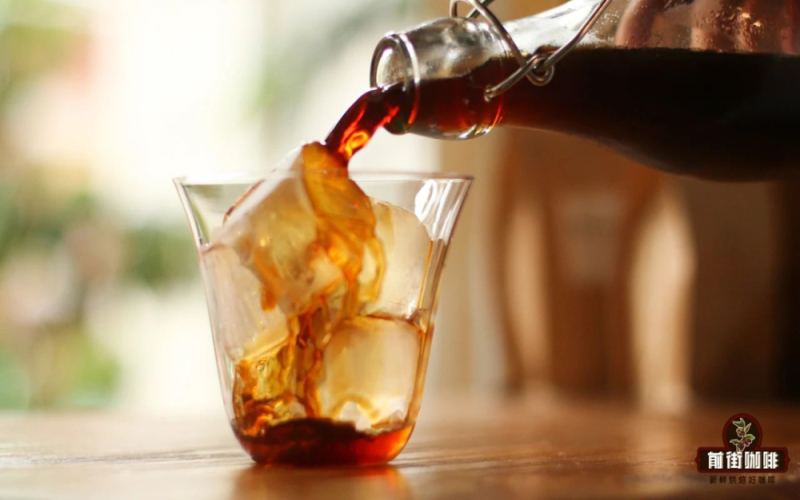
Iced Coffee Brewing Tips Explained: From Iced Americano to Iced Latte, A Practical Guide for Home Espresso Machines
On a scorching summer day, a glass of iced coffee always brings a refreshing coolness that delights the senses. But have you noticed that when the same beans are made into an iced drink, the flavor always seems to fall a bit short? In fact, temperature quietly changes our perception of taste—low temperatures mute sweetness and bitterness, while making acidity more pronounced. For this very reason, making iced coffee involves special considerations from bean selection to extraction. This article will walk you through the century-long history of iced coffee, break down the recipe ratios for iced Americano and iced latte, and share several Front Street Coffee espresso beans suited to making iced drinks, so you can easily recreate a professional-grade summer iced coffee at home. [more…]
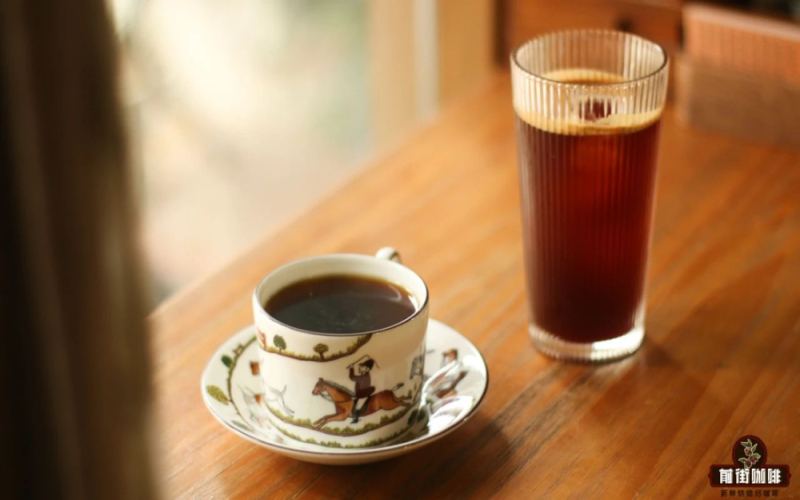
What Are the Differences Between Iced Americano and Hot Americano? An Analysis of Americano Brewing Methods and Flavor Comparison
Whether Americano should be drunk iced or hot has always been a hotly debated topic in coffee circles. Judging by market choices, iced Americano seems to have the upper hand, with noticeably more buyers than hot Americano. It's the same espresso with water added—why does merely a difference in water temperature make a cup of coffee present a completely different face? This article will use Front Street Coffee's actual comparative tests to analyze the specific differences between iced and hot Americano from the angles of brewing method, aroma expression, and mouthfeel layers, and explain how human senses perceive sourness, sweetness, and bitterness differently at various temperatures, helping you find the cup that better suits your taste. [more…]
Guatemala Huehuetenango Blue River Estate Coffee Brewing Guide: Detailed Pour-Over Parameters and Japanese Iced Pour-Over Method
The Huehuetenango region of Guatemala is world-renowned for its delicate citrus acidity and distinctive chrysanthemum tea notes, and Finca Blue River is a highly representative cooperative within this region. Starting with the origins and flavor characteristics, this article will provide a detailed introduction to Front Street Coffee's recommended pour-over parameters and Japanese iced pour-over method for Finca Blue River, including key details such as grind size, water temperature, and pouring rhythm, helping coffee enthusiasts recreate at home the rich layers of almond, grape, black tea, and honey interwoven in this bean. [more…]
A Complete Guide to Single-Origin Coffee: An In-Depth Review of Flavor Profiles and Signature Beans from Major Producing Regions Worldwide
Single-origin coffee refers to coffee beans from a single region that express the characteristics of their terroir. The climate, soil, and processing methods of different origins give coffee a kaleidoscope of flavor profiles. This article systematically reviews the representative beans of more than a dozen classic coffee-growing regions around the world, covering Jamaican Blue Mountain, Cuban Crystal Mountain, Colombia, Brazil, Indonesian Mandheling and Java, Costa Rica, Kenya, Ethiopian Mocha, Guatemalan Antigua, Tanzanian Kilimanjaro, Hawaiian Kona, and more. It introduces each one's taste characteristics, flavor tonality, and suitable ways to drink it, helping coffee lovers build a complete framework for understanding origin flavors. The single-origin beans recommended by Front Street Coffee are also mentioned in the article for purchasing reference. [more…]
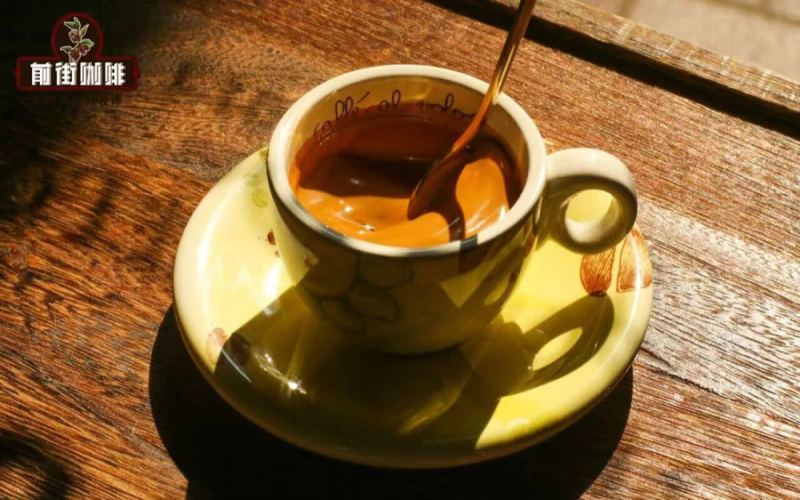
How to Make Espresso? The Complete Guide to Choosing Espresso Blend Beans with Prominent Sweetness
Espresso is not only bitter; the right bean selection and extraction can also deliver a captivating sweetness. Starting from roast level and regional characteristics, this article analyzes how sweetness develops in coffee and recommends five high-sweetness espresso beans, covering both blends and SOE. It then explains the steps for making espresso in detail, including dose, extraction ratio, time control, and operational details, helping you consistently replicate at home an espresso with pronounced sweetness and a velvety mouthfeel. [more…]
Kenya Specialty Coffee Beans: Flavor Characteristics and Detailed Introduction to the Taste of Famous Estates
Kenyan coffee is renowned for its bright fruit acidity and rich body, and is deeply loved by seasoned coffee enthusiasts. Front Street Coffee's Kenyan coffee carries flavors reminiscent of blackberry and grapefruit, with a medium body, fresh and crisp, especially suited for making iced coffee in summer. Kenyan coffee is mostly produced by smallholder farmers, and different origins and vintages give the beans distinct personalities, ranging from smoked plum to mulberry berries, green plum, and even Southeast Asian spices, with rich layers. Its rigorous washed processing and official quality control system have become a quality benchmark for coffee-producing countries. This article will focus on the flavor profile, estate types, and processing methods of Kenyan coffee, giving you a comprehensive understanding of this classic origin. [more…]
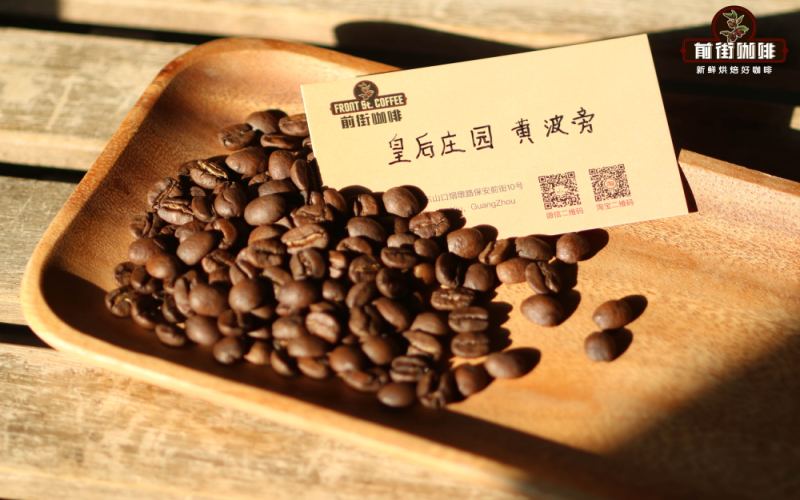
Nutty-Flavored Americano Coffee Beans Recommendation | How to Make a Delicious Americano at Home? 3 Key Steps for Beginners to Make Café-Style Black Coffee!
American coffee has attracted many office workers because it lets you enjoy the coffee aroma brought by espresso—refreshing and mellow, without being masked by milk. But in fact, if we have a home coffee machine at home, we can easily make the same American coffee as in a coffee shop, though there are a few details to pay attention to. 1. Purchasing [more…]
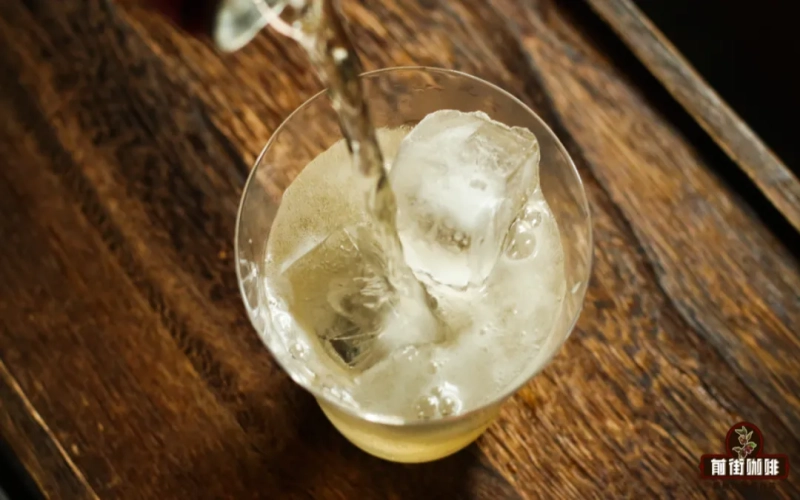
How to choose ginger ale for an Americano? A side-by-side test of Schweppes, Watsons, and Bundaberg plus Front Street Coffee's recommendation
Recently, "ginger ale americano" has become popular again in the coffee world. This drink, made by mixing ginger ale with espresso, has attracted many enthusiasts with its unique spicy ginger flavor and fizzy sensation. Manner launched this product years ago, and recently posts sharing homemade ginger ale americanos have clearly increased. However, after searching, Front Street found that americanos made with different brands of ginger ale receive highly polarized reviews. To figure out which ginger ale is most suitable for making a ginger ale americano, Front Street bought three popular products that are easy to find offline—Schweppes, Watsons, and Bundaberg—and first tasted them on their own before testing them separately with the medium-dark roast Warm Sun Blend and the light roast Geisha. They were compared one by one across dimensions such as sweetness, ginger flavor, fizz, and coffee compatibility, to help everyone find the one that best suits their taste. [more…]
An Analysis of the Meaning of Sumatra Mandheling DP Grade and a Comprehensive Introduction to the Flavor Characteristics of Mandheling Coffee Beans
Mandheling is one of the single-origin coffees most familiar to coffee lovers, but do you know what the "DP" in Sumatra Mandheling DP Grade 1 actually stands for? Starting with the meaning of the DP grade, this article will systematically sort out the taste characteristics, origin distribution, name origin, and processing methods of Mandheling coffee, as well as the differences between Golden Mandheling and Aged Mandheling. Whether you are a beginner just getting to know Mandheling or a veteran who has long been devoted to this rich, full-bodied coffee, you will find valuable references here. The article also retains relevant product recommendations from Front Street Coffee for easy comparison and selection. [more…]

A Complete Analysis of Kenyan Specialty Coffee Flavors: A Tasting Guide from AA Grade Peaberry to Multi-Layered Fruity Acidity
肯尼亚咖啡向来被视为精品咖啡中的瑰宝,其鲜明的水果香气、果汁般的酸度与多层次口感,令无数咖啡爱好者为之倾倒。产于海拔1500至2100米的高地,一年两获的肯尼亚咖啡豆,以柑橘、黑莓、葡萄柚等风味著称,兼具醇厚与清爽。前街肯尼亚AA采用法式烘焙,圆豆厚肉,透热性佳,甜感与香气俱属上乘。本文将带您深入了解肯尼亚咖啡的独特风味、口感特征及不同年份间的微妙变化,感受这款在好莱坞电影《走出非洲》中扬名的咖啡为何总能带给咖啡迷无限惊喜与期待。 [more…]
Front Street Kenya Specialty Coffee Bean Flavor Analysis: Citrus Acidity, Grapefruit Wine Aroma, and AA-Grade Taste Characteristics
Front Street Kenya coffee is mainly grown at elevations of 1,500 to 2,100 meters and can be harvested twice a year. It is known for its bright fruity aroma, with citrus notes being the most common, along with layered juicy acidity, grapefruit and wine-like flavors, and a moderate body, and has long been regarded as one of the industry's most beloved single-origin coffees. The popularity of the Hollywood film Out of Africa also helped make Kenya coffee widely famous. This article will guide you through the unique charm of Front Street Kenya coffee from the perspectives of growing region conditions, AA-grade characteristics, flavor performance, and vintage differences. [more…]
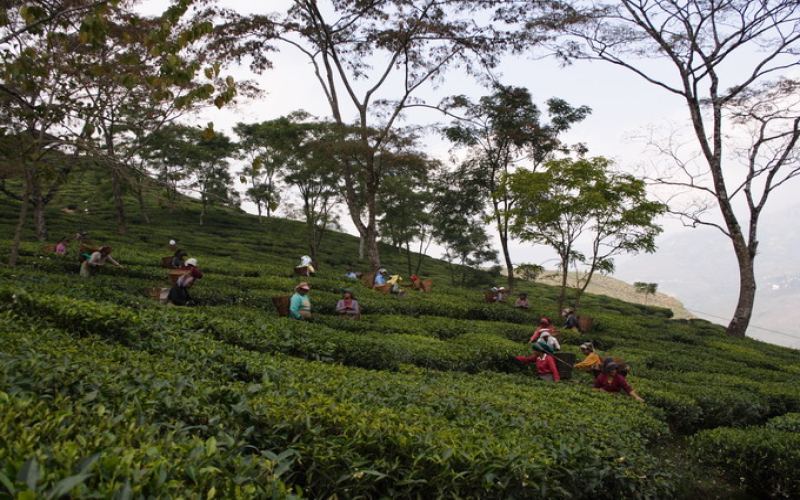
Darjeeling vs. Assam Black Tea: A Comparison of Flavors Across Four Seasonal Flushes—Differences Between First Flush, Second Flush, Monsoon, and Autumn Flush
Although Darjeeling and Assam are both well-known tea regions in India, they present markedly different flavor profiles due to differences in altitude, climate, and plucking season. Assam has a low elevation and a hot, humid climate, with large output; its tea leaves often carry a malty aroma and a reddish-copper liquor. Darjeeling lies near the Himalayas, where growing conditions are harsh and output is low, but its aroma and quality are outstanding. Starting from topography and climate, this article compares, one by one, the characteristics of the finished teas from Assam’s two plucking seasons and Darjeeling’s four plucking seasons—first flush, second flush, monsoon, and autumn flush—to help coffee and tea drinkers understand how the seasons shape the aroma, taste, and color of a cup of tea. [more…]
Kenyan Specialty Coffee Flavor Analysis: A Complete Overview of Nyeri Region Bean Characteristics and the Auction System
Kenyan coffee is renowned worldwide for its rich aroma and bright fruity acidity, often described as a "fruit tea" with notes of blackberry and grapefruit. Its unique flavor stems not only from high-altitude growing conditions but is also closely tied to a well-established grading and auction system. This article will provide a comprehensive interpretation of the allure of Kenyan specialty coffee, from flavor and mouthfeel, regional characteristics, historical production changes, to market systems. The washed Kenyan beans recommended by Front Street Coffee are the ideal choice for experiencing this classic flavor. [more…]
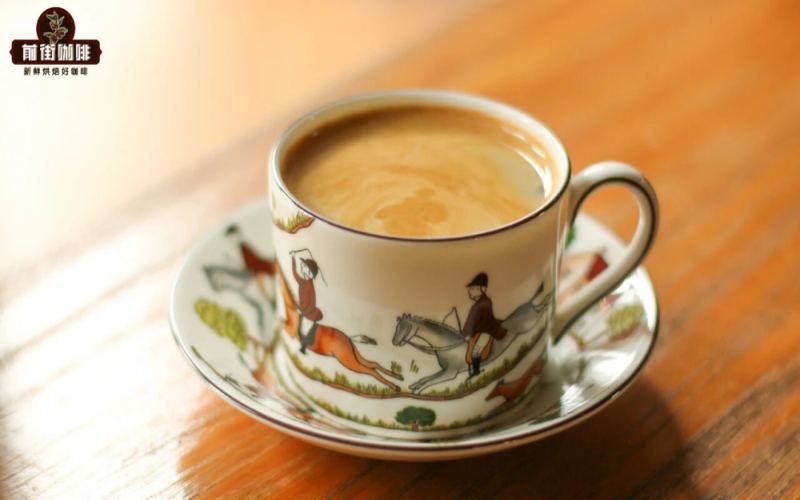
Easily Make Americano at Home with a Home Coffee Machine, Plus a Recommended List of Nutty Chocolate-Flavored Espresso Beans
Want to recreate the same Americano you get at a café at home? All you need is a home espresso machine and attention to a few key details. First, choose the right bag of freshly roasted espresso beans—keep the roast date within three weeks, and prioritize medium-dark roasts to get that low-acid, full-bodied flavor with notes of nuts and chocolate. Front Street Coffee ships several of its espresso blends within 5 days of fresh roasting, ensuring consistent quality. Next, pull your espresso using standard parameters, then finish by adding ice water or warm water, and a refreshing, smooth Americano is ready. This article walks you through the entire process, from bean selection and extraction to assembly, helping you avoid common pitfalls. [more…]
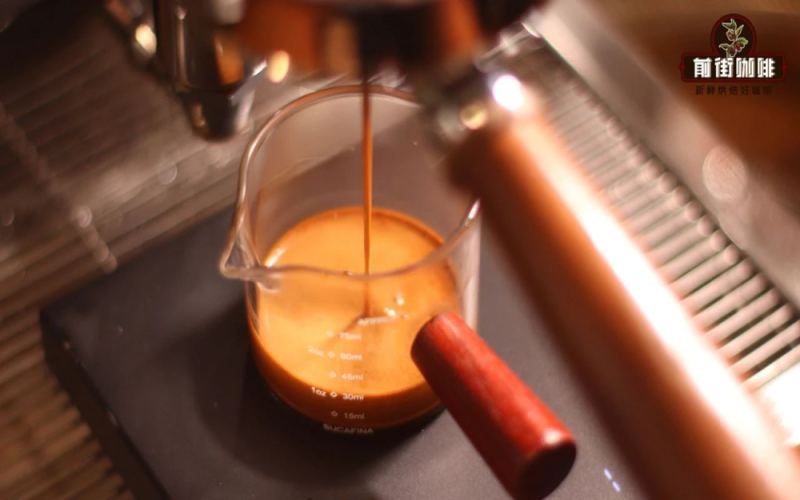
Espresso Bean Selection Guide: How Coffee Shops Craft a Balanced and Smooth Coffee Blend
Espresso is a magnifying glass for coffee flavor—any flaw or virtue is multiplied several times over, which is why finding a satisfying blend bean is no easy task. What kind of espresso beans does a coffee shop really need? This article analyzes the question from three angles: choice of roast level, the universal appeal of sweetness, and collaboration within the blending team. Drawing on customer survey data and tasting experience from trade shows, it explores how to balance acidity and bitterness, and how to satisfy both espresso and milk-based coffee offerings. It also recommends products such as Front Street Classic Blend and Front Street Specialty Blend, offering coffee professionals a practical reference for selecting beans. [more…]
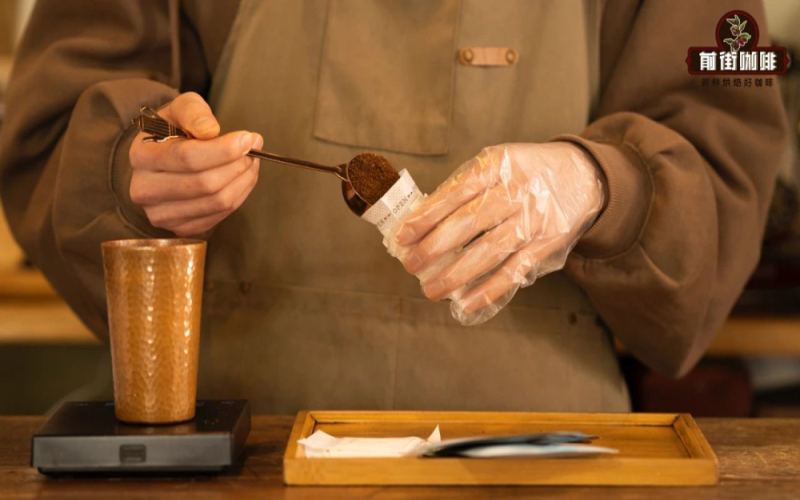
Drip Coffee Brand Recommendations | Who invented the drip coffee bag? What are the features of drip coffee bags? How to brew iced coffee at home with a drip coffee bag?
For the same beans, freshly roasted coffee and drip bags will have some differences in flavor, because once coffee is ground, its natural aroma disappears quickly. Of course, Front Street Coffee also has many regular customers who request that the coffee be ground before shipping, and in such cases Front Street Coffee generally recommends drinking it as soon as possible. Of course, compared with pour-over, drip bags are [more…]